Jean Birkenstein Washington
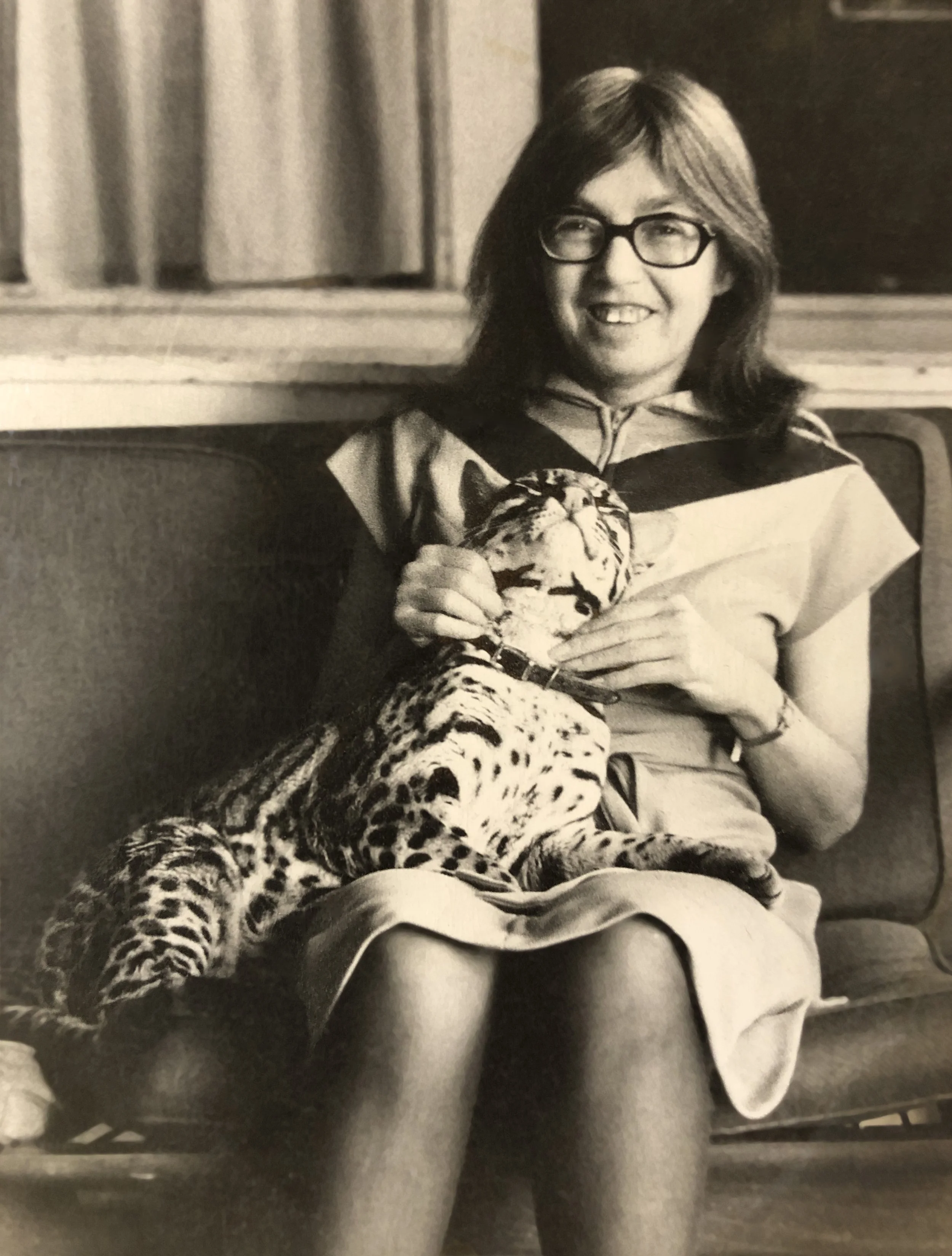

Jean was a Chicago artist, educator, and leader in that city’s Civil Rights Movement in the late 1950s and early ’60s.
An art teacher for the Chicago Public Schools, Jean — as she was called by all who knew her, including her children — was an activist in Chicago’s NAACP and Congress of Racial Equality chapters, co-leading numerous marches and sit-ins against housing and school segregation, always taking her two young sons with her on protests they jokingly referred to as “family outings.”
Jean was a founder of Teachers for Integrated Schools, headquartered in her home, and of the Coordinating Council of Community Organizations, an umbrella group of civil rights organizations culminating in the Rev. Martin Luther King’s Chicago campaign. One could draw a straight line from those activities to Barack Obama’s election as president decades later.
Yet she was not born into the movement. Growing up, her life was more conventional, if privileged, as the daughter of a German-Jewish industrialist. She attended private school at Chicago’s Francis W. Parker School. There, she thrived in art, joining a remarkable cohort that included Joan Mitchell and Edward Gorey, all under the tutelage of instructor Malcolm Hackett. Her path appeared set.
History, however, did not work that way. Unexpectedly, her father died at age 43, leaving Jean’s mother to run his factory — highly unusual for a woman during World War II. Raising eyebrows even higher, Jean’s sister married a Mexican national and moved to that country. Their mother followed her there, selling the business and taking her fortunes with her. In Chicago, Jean married an African American intellectual, with rumors flying wildly about “the Jewish girl who married a Black Mexican.”
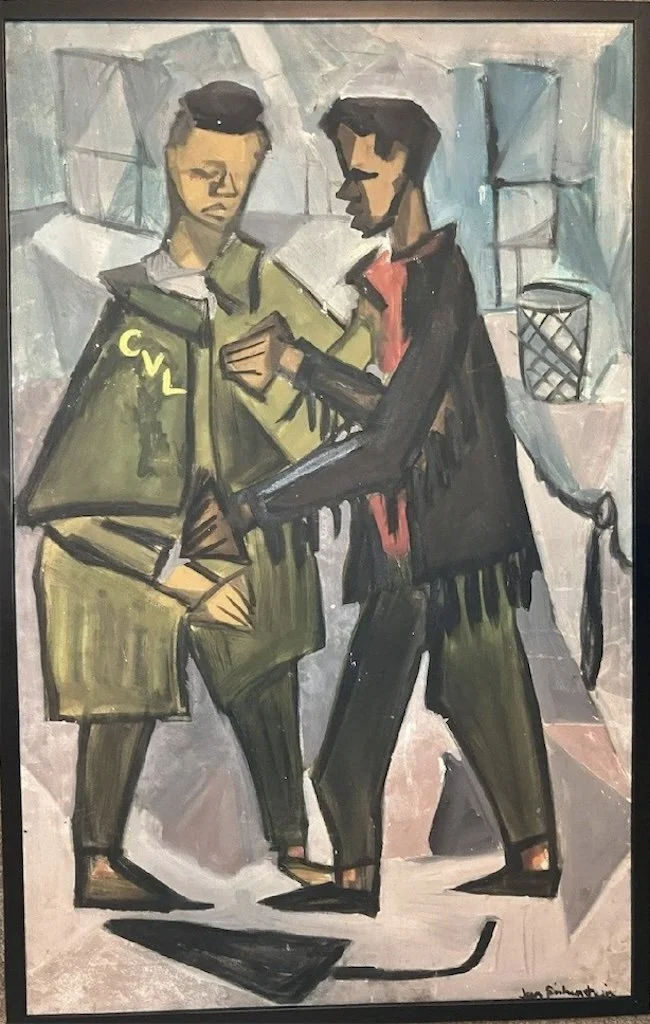
While teaching high school on the city’s West Side, Jean became an ambassador to and between two street gangs, the Vice Lords and the Cobras. She opened her home to them, documented in a 1961 Jet magazine profile calling her “an artist with a profound respect for human dignity.”
She later turned her attention to physics and mathematics, teaching at the Chicago City Colleges and working as a software engineer. She developed the Jeanius program, designed to teach computer science and mathematics, including calculus, to inner-city middle-schoolers.
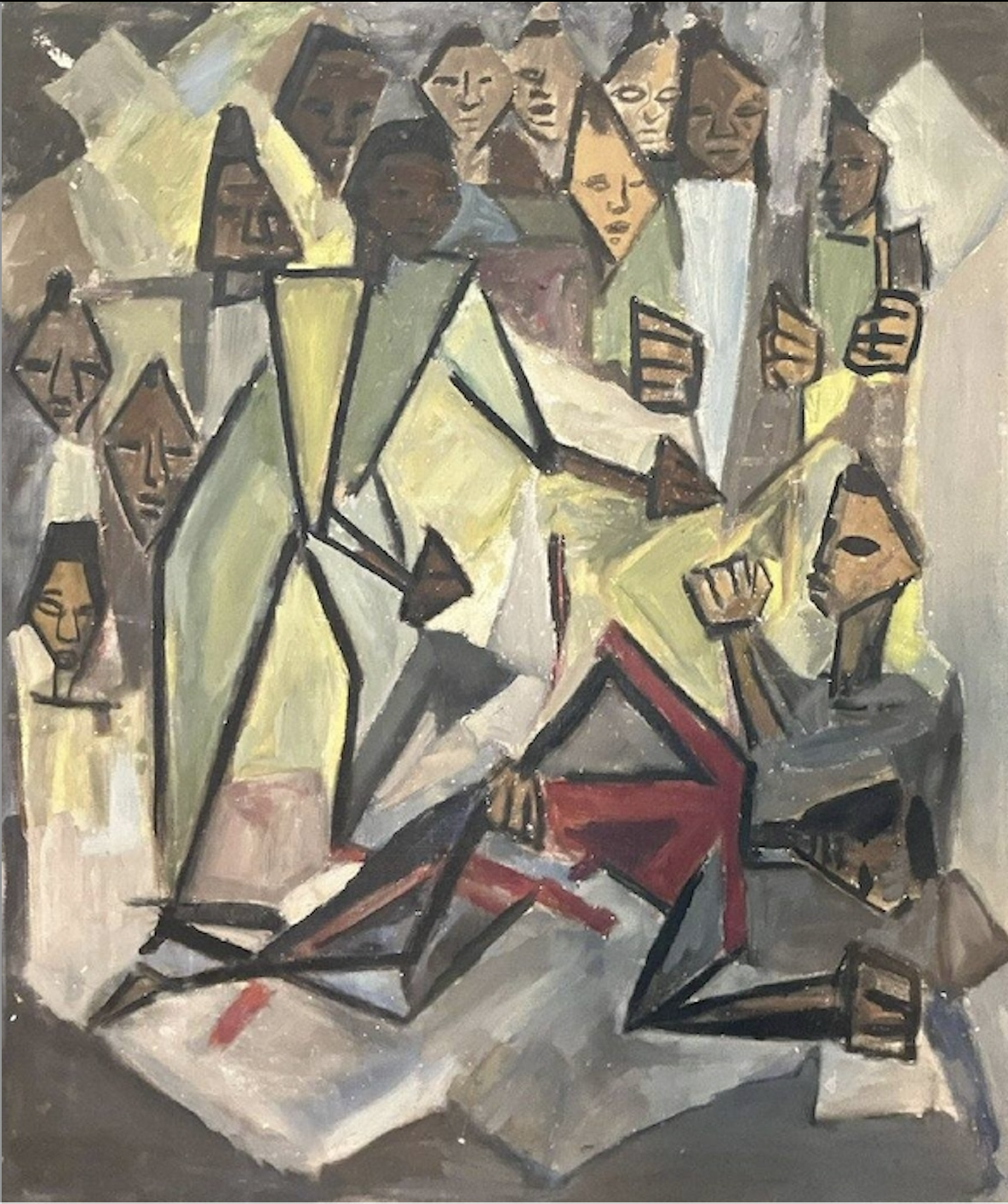
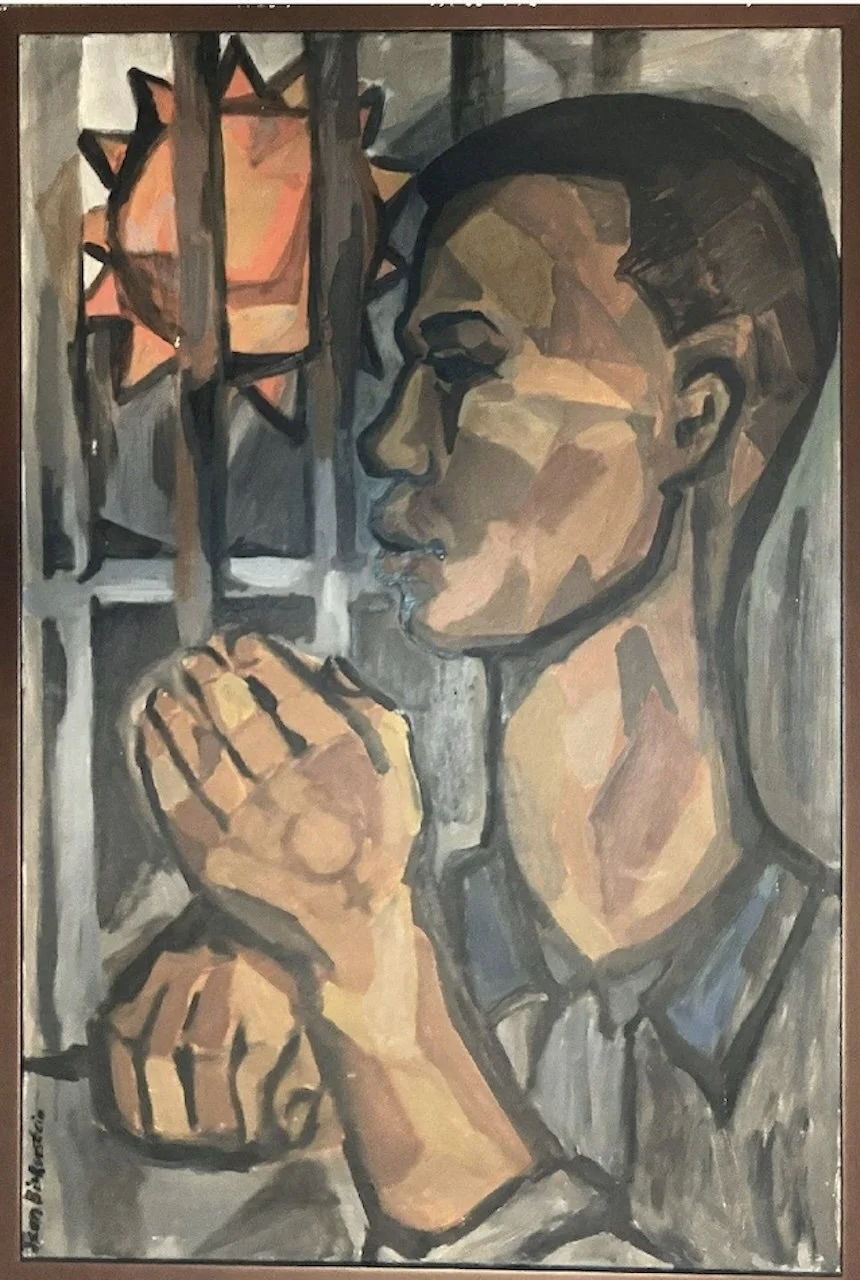
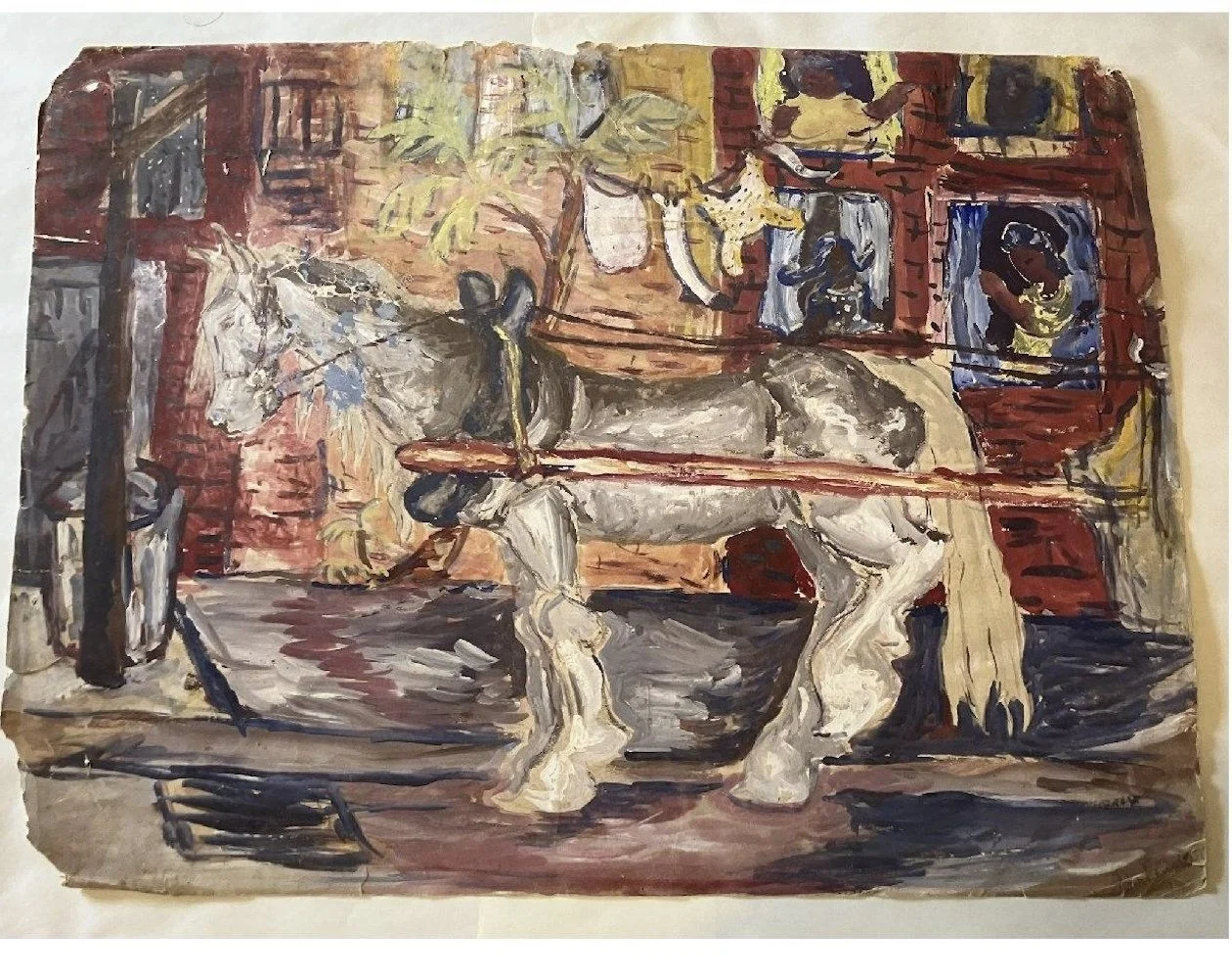
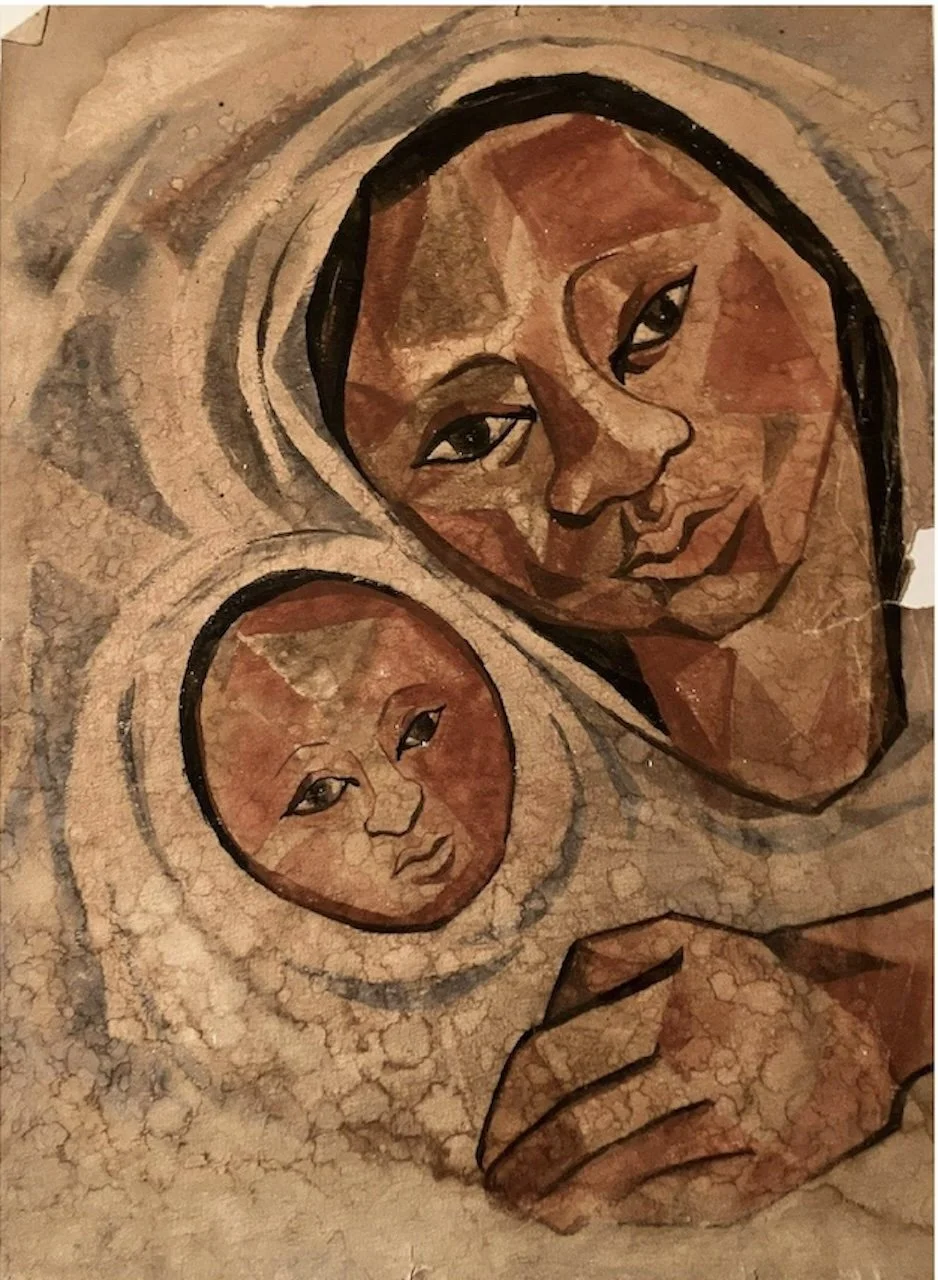
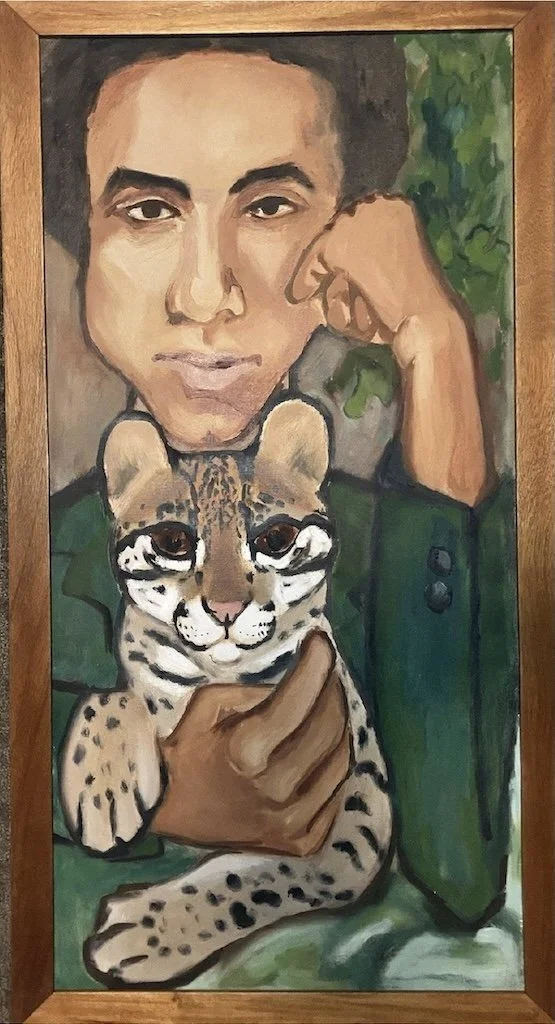
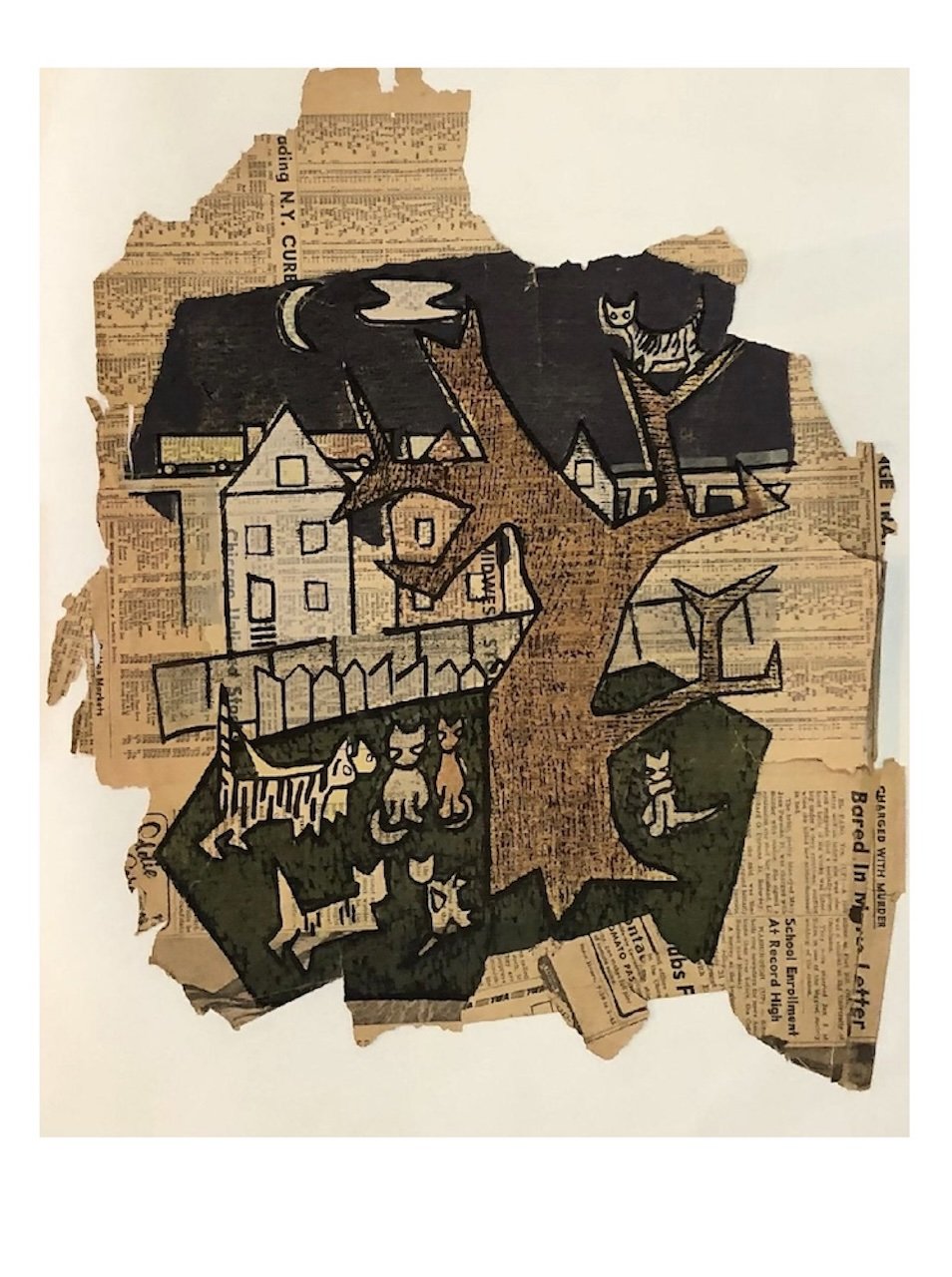
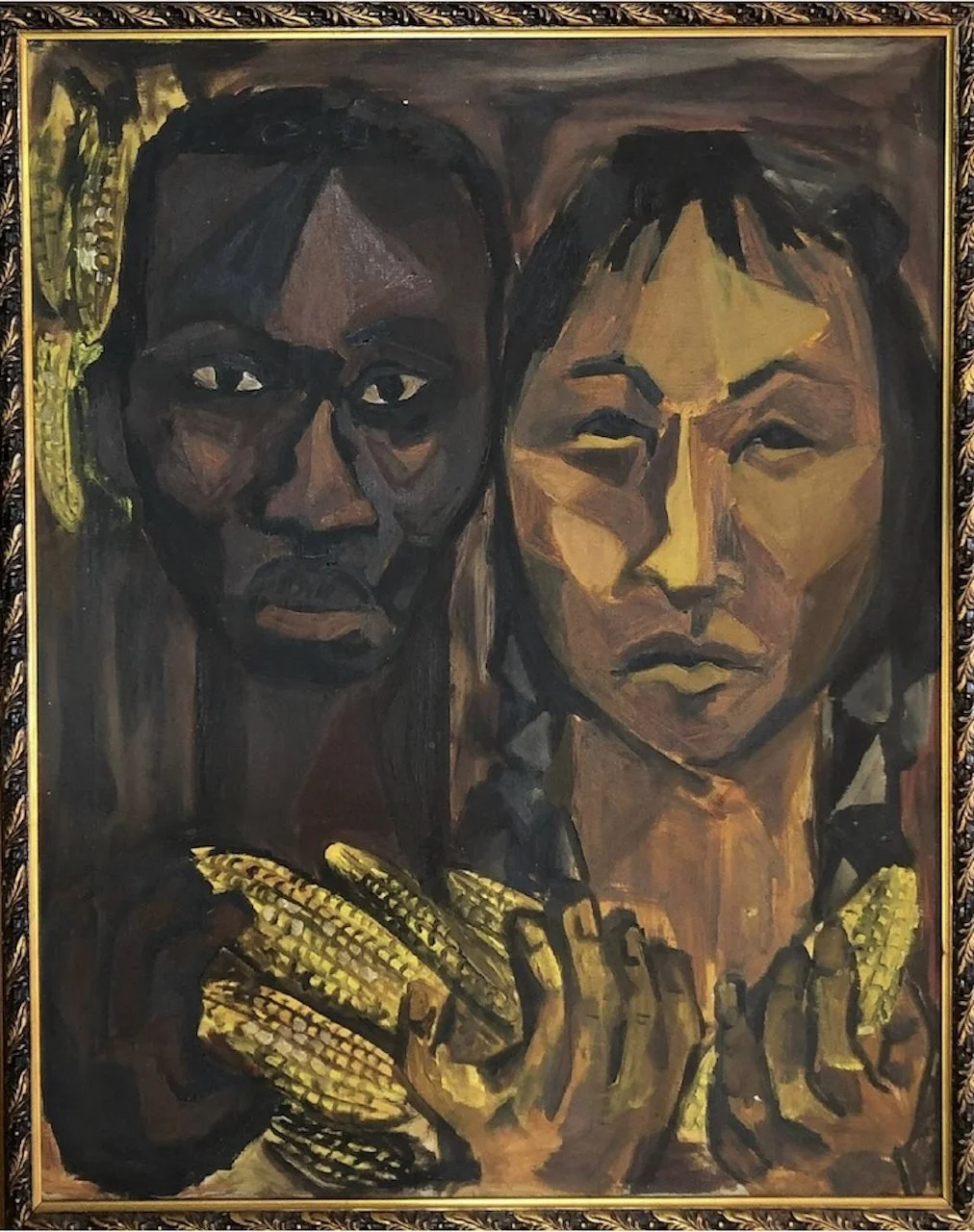
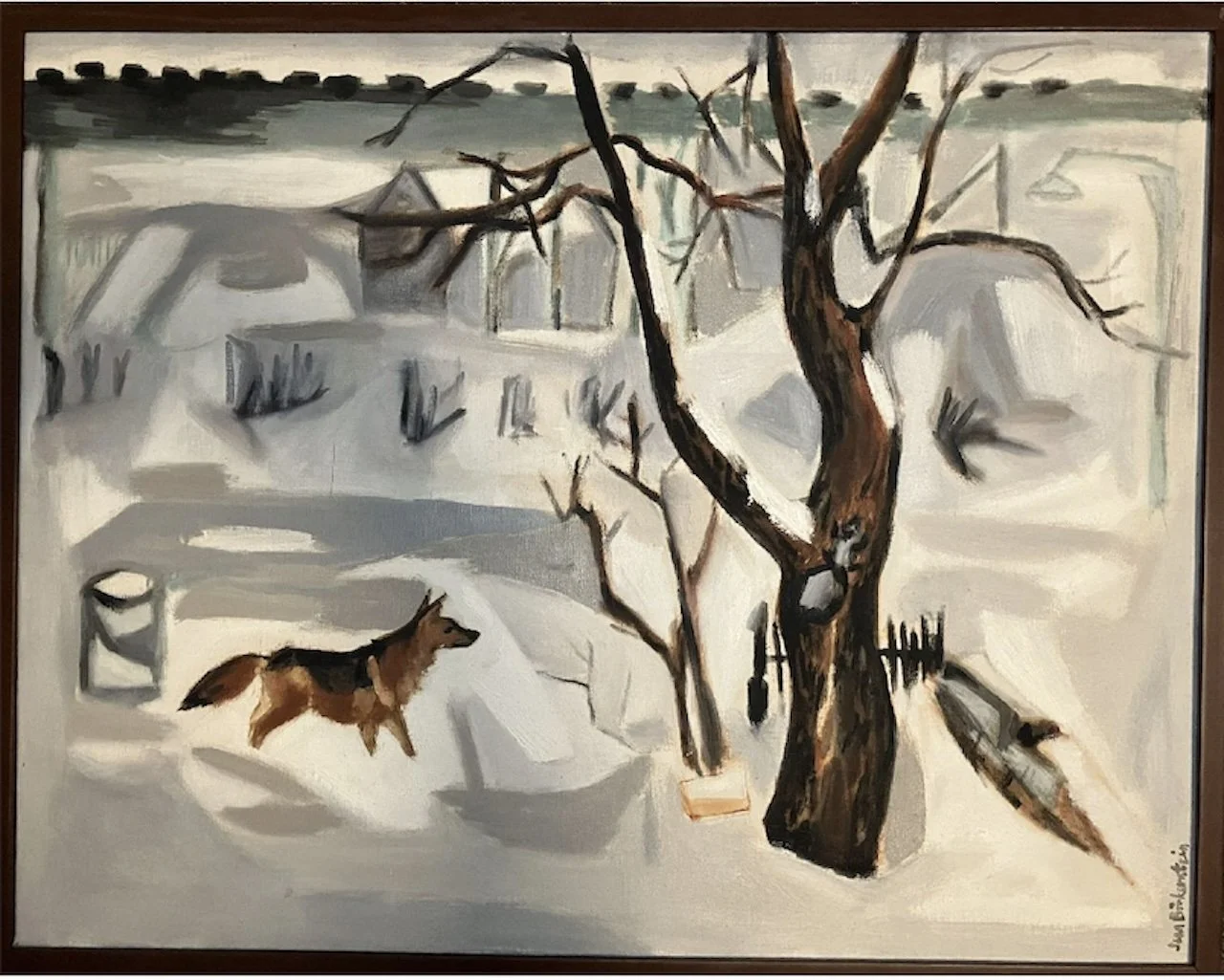
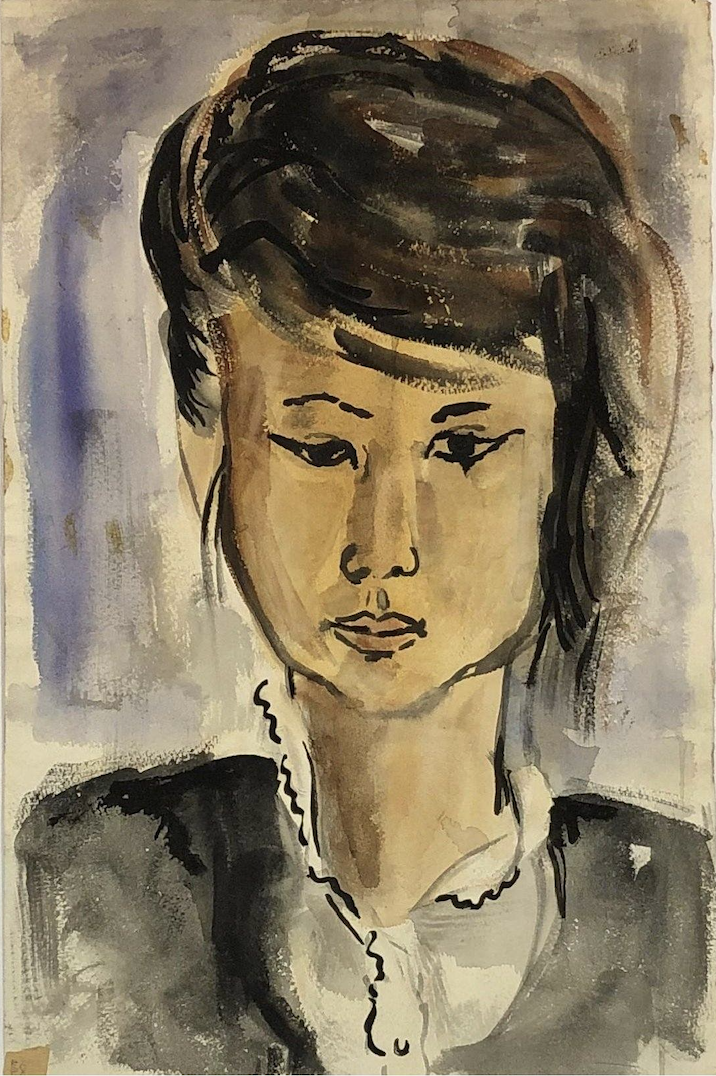
Throughout it all, she created her art. Her media include oil, watercolor, lithographs and mixed media, with subject matter falling into recurring series: her gang member protégés, cats, the view of the L tracks across from her house, African American and Native American enslaved families, the cosmos, Vermont farmlands and gritty industrial cityscapes.
Even when her health in later years curtailed her production of major works on canvas, she continued to create, teach and push across boundaries — artistic, educational and social. The result is a body of work and influence that resists categorization, a reflection of the life behind it.